Health insurance helps protect individuals and families from unexpected medical expenses. However, many policyholders are confused about the health insurance claim process when they need hospitalization or medical treatment.
Understanding the health insurance claim process can help you receive benefits smoothly and avoid claim delays or rejections. Whether you are using a cashless facility or filing a reimbursement claim, knowing the correct procedure is essential.
In this complete guide, we explain the health insurance claim process in India, required documents, common mistakes, and useful tips for faster claim approval in 2026.
What Is a Health Insurance Claim?
A health insurance claim is a formal request made by a policyholder to an insurance company for payment of medical expenses covered under the policy.
When a covered medical event occurs, the insurer may either:
- Pay the hospital directly (Cashless Claim)
- Reimburse the policyholder after treatment (Reimbursement Claim)
The claim process depends on the type of treatment and hospital chosen.
Types of Health Insurance Claims
1. Cashless Health Insurance Claim
In a cashless claim, the insurance company settles eligible medical bills directly with a network hospital.
The policyholder only pays expenses not covered by the policy.
Benefits of Cashless Claims
- No need to arrange large amounts of money
- Faster claim settlement
- Reduced paperwork
- Convenient hospitalization process
2. Reimbursement Health Insurance Claim
If treatment is taken at a non-network hospital, the policyholder pays the medical expenses first and later submits documents to the insurer for reimbursement.
Benefits of Reimbursement Claims
- Freedom to choose any hospital
- Useful in emergencies
- Available even when network hospitals are not nearby
Step-by-Step Health Insurance Claim Process
Step 1: Inform the Insurance Company
The first step in the health insurance claim process is notifying the insurer.
Planned Hospitalization
Inform the insurance company at least 48 to 72 hours before admission.
Emergency Hospitalization
Inform the insurer within 24 hours of hospitalization.
Failure to notify within the required time may create claim complications.
Step 2: Verify Hospital Network Status
Check whether the hospital is part of the insurer’s network.
If It Is a Network Hospital
You can use the cashless claim facility.
If It Is Not a Network Hospital
You may need to file a reimbursement claim.
Step 3: Submit the Claim Form
The hospital’s insurance desk usually assists with claim form submission.
The form generally includes:
- Policy number
- Patient details
- Treatment information
- Hospital details
- Doctor’s information
Ensure all details are accurate.
Step 4: Submit Required Documents
The insurance company may request supporting documents.
Common Documents Required
- Health insurance card
- Policy details
- Aadhaar card or ID proof
- Hospital admission records
- Doctor’s prescription
- Diagnostic reports
- Medical bills
- Discharge summary
Incomplete documentation is one of the most common reasons for claim delays.
Step 5: Claim Assessment
The insurer reviews:
- Policy coverage
- Waiting periods
- Exclusions
- Medical necessity
- Submitted documents
The insurer may request additional information if required.
Step 6: Claim Approval and Settlement
Once verification is complete:
For Cashless Claims
The insurer pays the approved amount directly to the hospital.
For Reimbursement Claims
The approved amount is transferred to the policyholder’s bank account.
Cashless Health Insurance Claim Process
The cashless health insurance claim process is generally faster.
Procedure
- Visit a network hospital.
- Show your health insurance card.
- Fill the pre-authorization form.
- Hospital sends claim request to insurer.
- Insurer reviews and approves the claim.
- Treatment proceeds.
- Insurer settles eligible bills directly.
Many policyholders prefer cashless claims because they reduce financial stress during hospitalization.
Reimbursement Health Insurance Claim Process
The reimbursement claim process involves additional paperwork.
Procedure
- Receive treatment.
- Pay hospital bills.
- Collect original documents.
- Submit claim form.
- Submit bills and reports.
- Insurer verifies documents.
- Approved amount is reimbursed.
Always keep copies of all documents before submission.
Common Reasons for Health Insurance Claim Rejection
Understanding common mistakes can improve claim approval chances.
1. Non-Disclosure of Medical History
Failure to disclose existing illnesses may lead to claim rejection.
2. Waiting Period Restrictions
Certain diseases may not be covered during the initial waiting period.
3. Policy Exclusions
Treatments specifically excluded under the policy are not eligible.
4. Incomplete Documents
Missing bills or medical reports can delay or reject claims.
5. Late Intimation
Failure to notify the insurer within the prescribed timeline can create issues.
Tips for Faster Health Insurance Claim Approval
Maintain Complete Records
Preserve all bills, reports, prescriptions, and discharge documents.
Use Network Hospitals
Cashless facilities simplify the health insurance claim process.
Understand Policy Terms
Review waiting periods, exclusions, and coverage details.
Notify the Insurer Promptly
Early communication reduces complications.
Verify Documentation
Ensure all forms are completed accurately.
Health Insurance Claim Checklist
Before submitting a claim, verify:
✔ Policy is active
✔ Treatment is covered
✔ Hospital documents collected
✔ Claim form completed
✔ Medical bills available
✔ Diagnostic reports attached
✔ Discharge summary included
✔ Insurer informed on time
Frequently Asked Questions
How long does a health insurance claim take?
Cashless claims are usually processed during hospitalization, while reimbursement claims may take several days or weeks depending on document verification.
Can a claim be rejected?
Yes. Claims may be rejected due to policy exclusions, waiting periods, incorrect information, or incomplete documentation.
What is a cashless health insurance claim?
A cashless claim allows the insurer to pay approved medical expenses directly to a network hospital.
What is a reimbursement claim?
A reimbursement claim allows policyholders to recover eligible medical expenses after paying hospital bills themselves.
Is health insurance mandatory for claim settlement?
Yes. The policy must be active and premiums must be paid on time.
Final Verdict
Understanding the health insurance claim process is essential for every policyholder. Knowing the difference between cashless and reimbursement claims, maintaining proper documentation, and informing the insurer on time can significantly improve your claim experience.
A well-informed policyholder can avoid unnecessary delays, reduce stress during hospitalization, and receive insurance benefits smoothly. Before purchasing or renewing a policy, always review coverage details, waiting periods, and claim procedures to ensure you are fully prepared when medical emergencies arise.
Also read…
Term Insurance vs Life Insurance
Best Term Insurance Plans in India
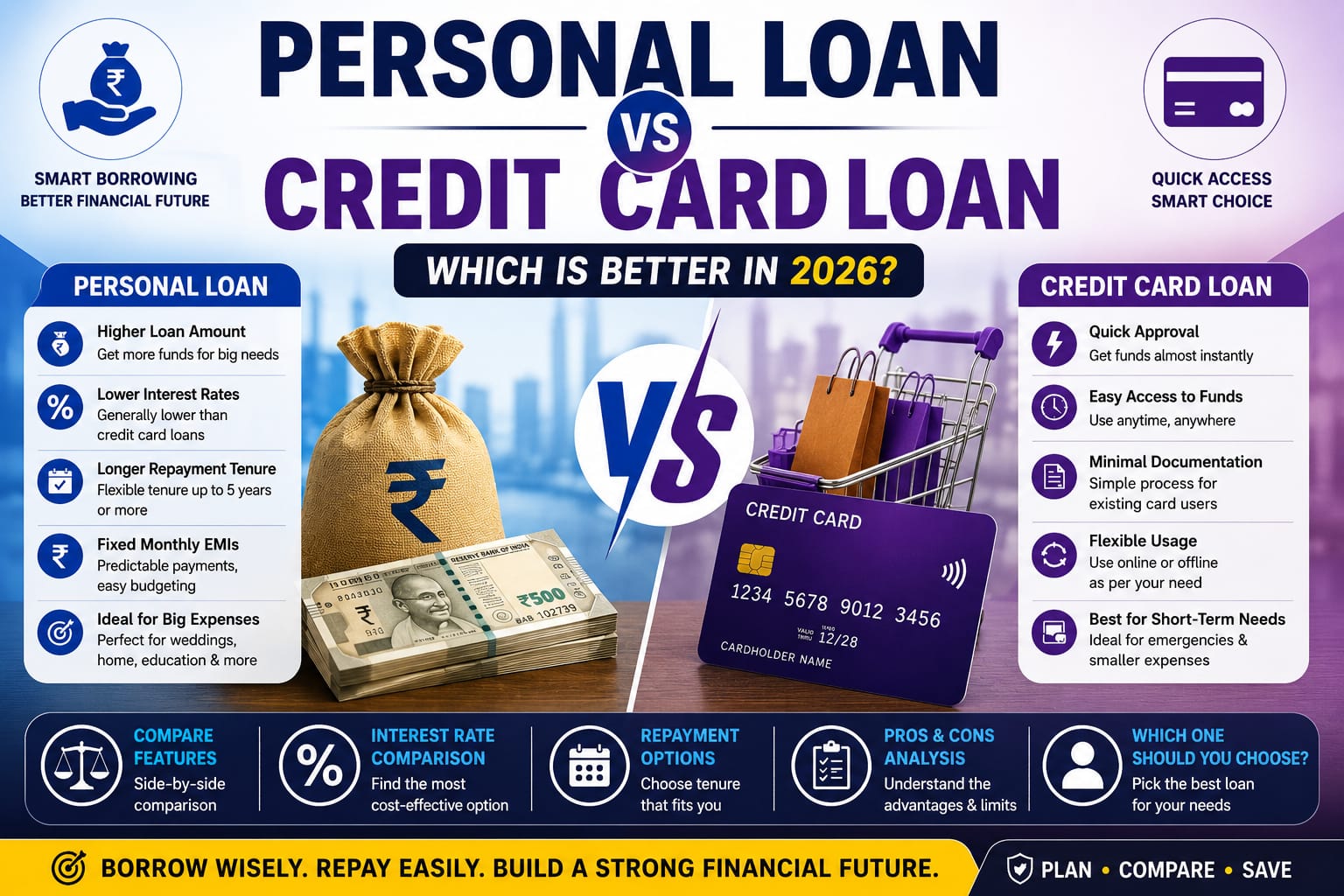
Personal Loan vs Credit Card Loan (for emergency funding discussion)